Choose the rack family by the surface that supports it, then verify the exact vehicle, body, mount hardware, clearances, and applicable load limits.
On this page
Truck-Bed, Cap/Topper, Van, or Passenger-Roof Rack: Start With the Mount
Choose a rack by the structure that carries it, not by the shape of its bars. A pickup can have several possible mounting surfaces: the passenger roof, bed rails, factory bed tracks, a cap or topper, or a tonneau cover with a dedicated track. A van may use roof gutters, factory points, tracks, or a documented body-specific kit. Those surfaces can require different parts and have different load limits.
Five common mounting paths
| Mount location | What the rack attaches to | What must be confirmed |
|---|---|---|
| Passenger-vehicle roof | Factory rails or points, or a vehicle-specific roof system | Vehicle year, roof type, exact feet or kit, sunroof or hatch clearance, and vehicle roof limit |
| Pickup bed or rail | Bed structure, stake pockets, side rails, or factory utility tracks | Cab and bed configuration, rail or track design, rack kit, cover interference, and bed limit |
| Cap or topper roof | Cap-specific tracks, gutters, legs, or reinforced mounting points | Cap make and model, roof construction, authorized attachment, hardware, and cap rating |
| Tonneau-cover track | A rack designed for the exact cover’s integrated track or frame | Cover model and generation, fit-kit parts, bed size, rack instructions, and cover limit |
| Van roof | Documented gutters, factory mounting points, rails, or tracks | Model year, body and roof height, mounting layout, brackets or shims, and vehicle limit |
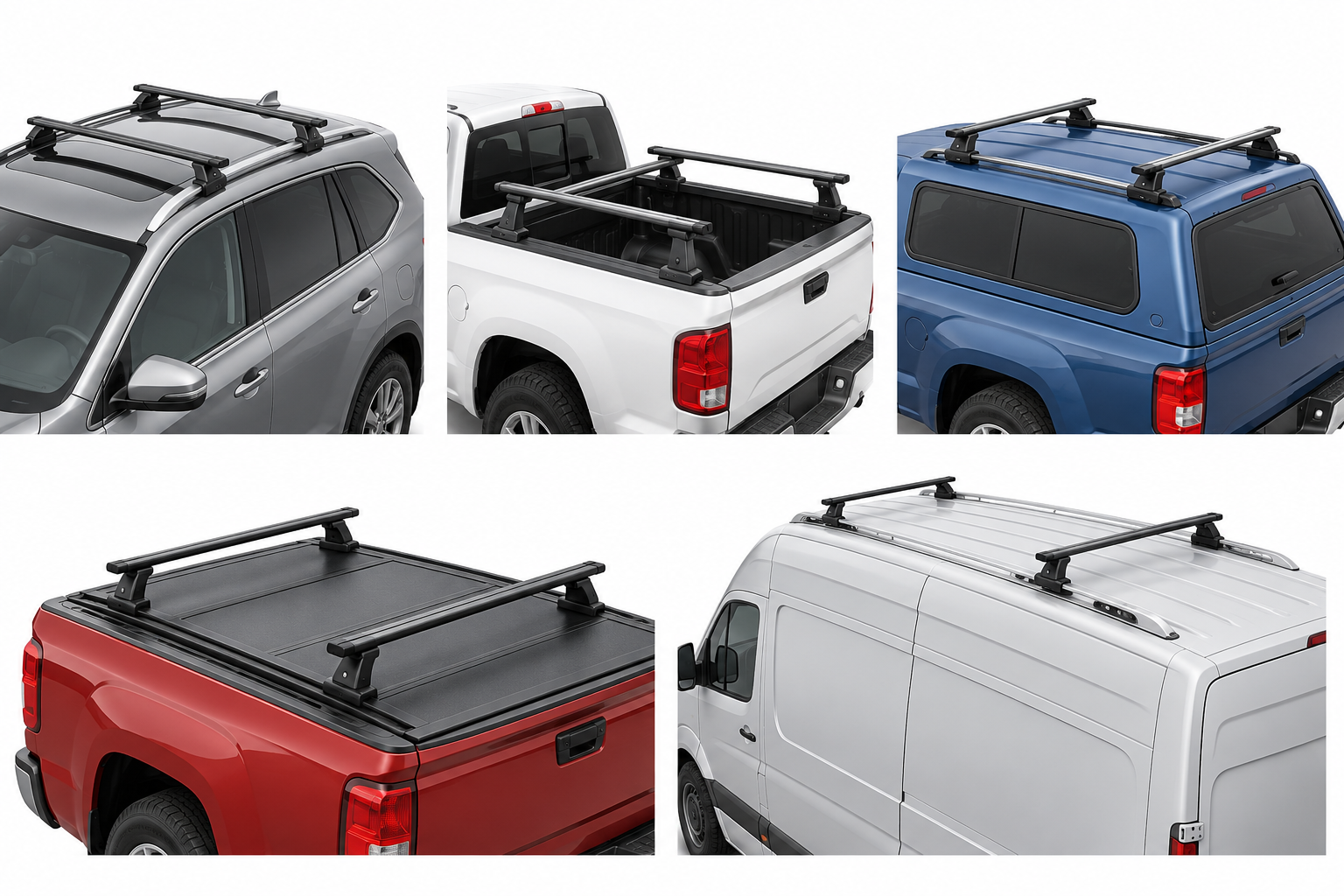
The mounting surface can be part of the vehicle, a cap or cover, or an installed accessory. Do not transfer a rating or compatibility claim from one surface to another. For example, a bed-rack system requiring rails on the truck tub is not thereby approved for a smooth bed, a different rail shape, or a cover that merely looks similar.
Manufacturers may present these paths separately in their selectors. Rhino-Rack’s current truck-bed and cover system overview, for example, says Reconn-Deck requires rails on the tub. That is a boundary for this product system, not a fit result for an unspecified truck.
Identify the vehicle and the supporting structure
Start with the market, model year, make, model, body or cab, and the relevant configuration: bed length, wheelbase, roof height, trim, factory tracks, cap, cover, or other installed equipment. Use the vehicle identification details required by the current manufacturer selector; older or converted vehicles may need a specialist to confirm the exact generation.
Next, identify where the load will sit and what carries it. Check whether a track is factory-installed, supplied with the cap, built into a cover, or part of a rack kit. Record the track profile, mounting points, and existing hardware from the product documents. A photo can help identify parts, but appearance alone does not prove that a structure is rated for a rack.
Follow the full parts path
A complete setup may include a vehicle or body attachment, track or rail, feet or towers, brackets or fit kit, crossbars or a platform, and the final carrier or work accessory. Some systems sell those pieces separately. Confirm every part number in the exact product instructions and verify that adjacent components are listed as compatible.
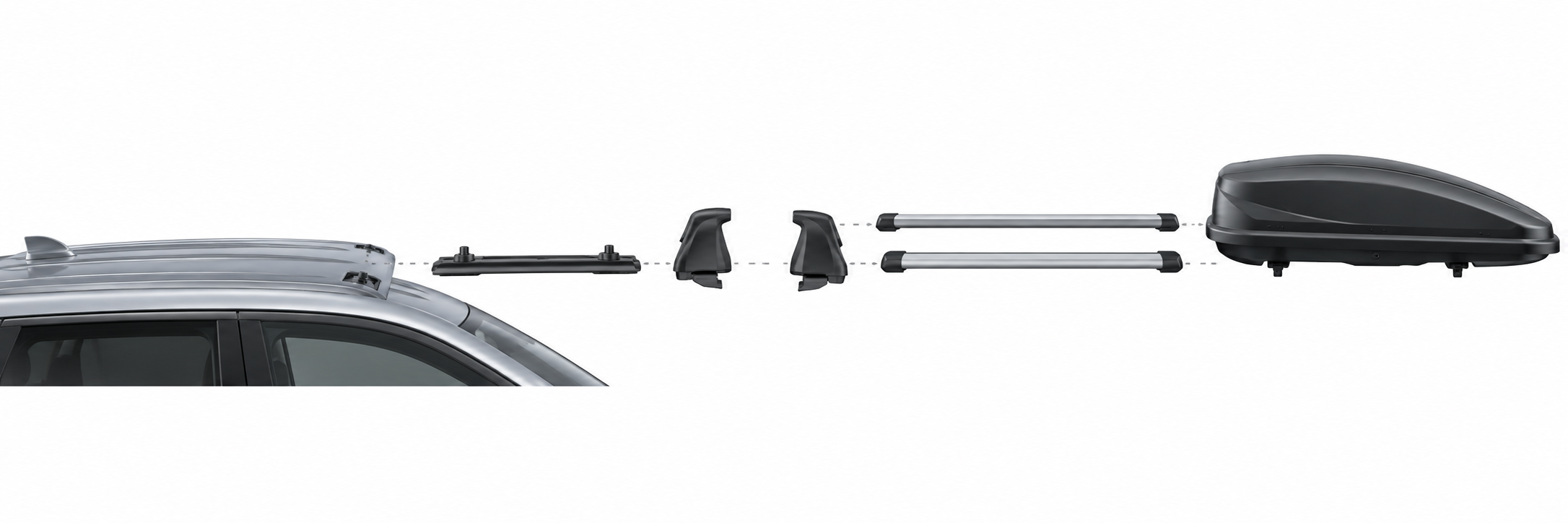
Use a product selector or fit guide for the exact vehicle and installed cover or cap. A catalog category, a brand name, or an accessory advertised for “most trucks” is only a starting point. If the manufacturer provides a cover-specific guide, check the exact cover model and the truck-size or bed configuration in that guide. Do not substitute another cover from the same brand without confirmation.
Compare limits and clearances
Check the vehicle, supporting bed or roof, cap or tonneau, attachment hardware, rack, and accessory limits. The lowest applicable value controls. Follow the documentation’s definition of the rating: some figures include rack mass, and a static limit is not a driving limit. If the source does not explain what is included, contact the manufacturer or a qualified fitter before calculating a usable cargo figure.
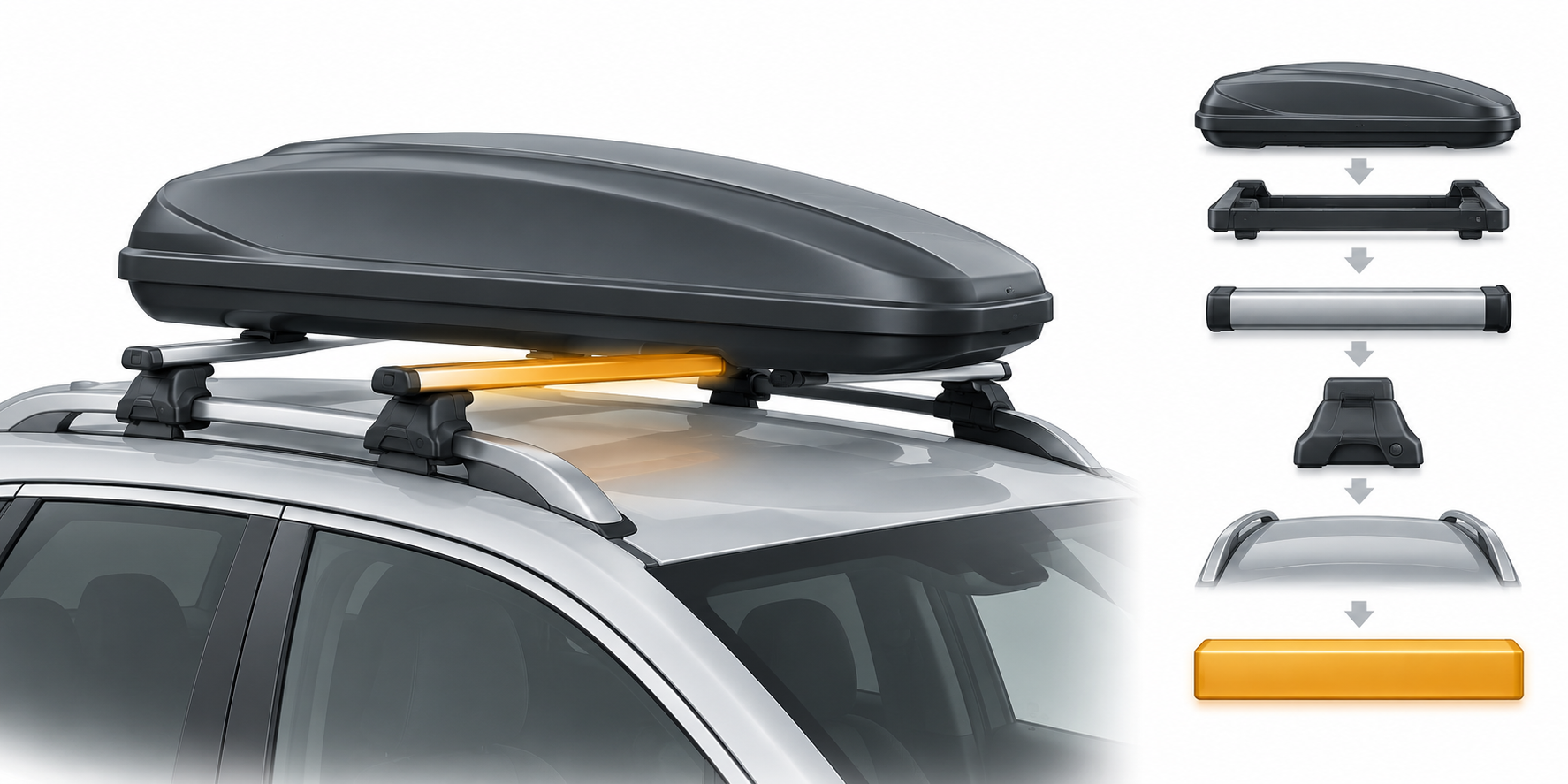
Check the physical setup as well as the number. Bar spread, rack height, load length, cab clearance, door or hatch movement, and cover operation can change whether a product path works. Use only a spread or mounting position permitted by the exact instructions. Off-road, on-road, and parked-use figures must stay separate where the manufacturer distinguishes them.
Installation is part of fitment
Current instructions may specify vehicle-specific brackets, backing plates, fasteners, torque, shims, rechecks, or an installer requirement. Follow those steps rather than adapting a procedure from a similar vehicle. Do not drill, modify, or attach a rigid load across structures that can move independently unless the vehicle, rack, and body instructions expressly support it. When a mount or structure is undocumented, pause and ask the vehicle or rack maker or a qualified installer.
For a cap-specific component path, see How to Fit a Roof Rack to a Pickup Cap or Topper. For a pickup-bed and tonneau workflow, see Pickup-Bed Rack Fitment; for a van roof or work setup, see Van and Utility Work Racks.
Sources and product references
Use these references to check the current instructions and fit information for your market and exact setup.
- Rhino-Rack Truck Bed Solutionsprimary
- Rhino-Rack Reconn-Deck Truck-Bed Systemprimary
- Rhino-Rack Roof Productsprimary
- Rhino-Rack FAQs and Fitting Timesprimary
- Yakima Custom Solutionsprimary
- Thule Xscapeprimary